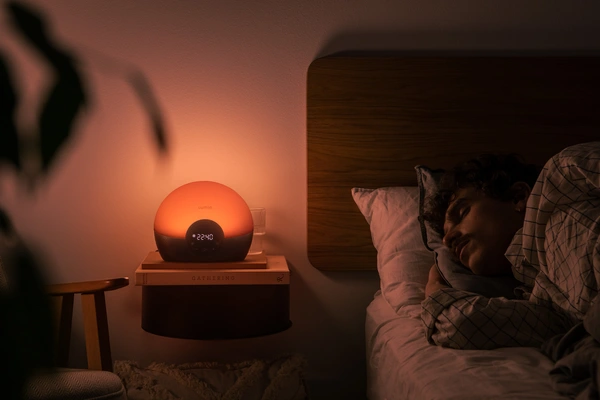
It made a massive difference to how I feel when waking up on winter mornings. It's still a bit of a struggle, but I'm much less grumpy when my alarm goes off. The gentle sunrise also means I can avoid the horrible sudden brightness of a bedside light being put on on dark days!
Amy Wilkins
Love this light
Not only has it improved my sleep; it’s a lifesaver. I’m a diagnosed chronic sufferer of SAD, and this clock makes all the difference to my mood and life. Even my husband, a serial cynic, is a convert.
Tracie Bascombe
I've not had a bout of SAD in five years since I bought my first Lumie lamp!
I suffer with SAD, and from late October I could previously find myself really unwell and not realise until its too late. I use my Lumie SAD lamp daily, even in summer, and my mental health has never been better. I'm not tearful, I'm not slow in my movements, I'm able to treat the winter in the same way as summer now. Literally life changing stuff!
Allison George
My only regret is not having started light therapy sooner
I've suffered with SAD all my life. That is, until I started using Lumie lights. I've been using the Glow 150 in combination with Vitamin L for daily light exposure and it has been life changing. I recommend Lumie to everyone I know.
Luna
I was terrible for getting up on a morning before I got this alarm clock
It is amazing! I have had it for 10+ years and it still works wonderfully. I have dyslexia and dyspraxia and this alarm clock has really helped me have a routine. I wake up with light before the beep and feel refreshed and ready to start the day. I tell everyone about Lumie alarm clocks because mine has helped me so much!
Lindsay
Light Therapy FAQ
How soon can you expect results from a SAD lamp?
Both scientific research and feedback from our customers point to noticeable changes within just a few days of starting light therapy. Typically, a positive change becomes apparent at about the two-week point. Interestingly, many individuals even report feeling a boost in their energy levels and an improved sense of well-being right after their initial session!
What's the recommended duration for exposure to a SAD light?
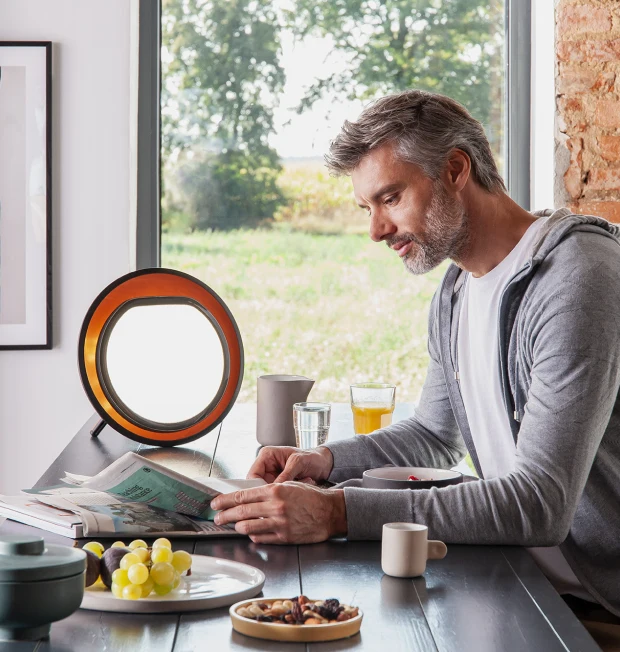
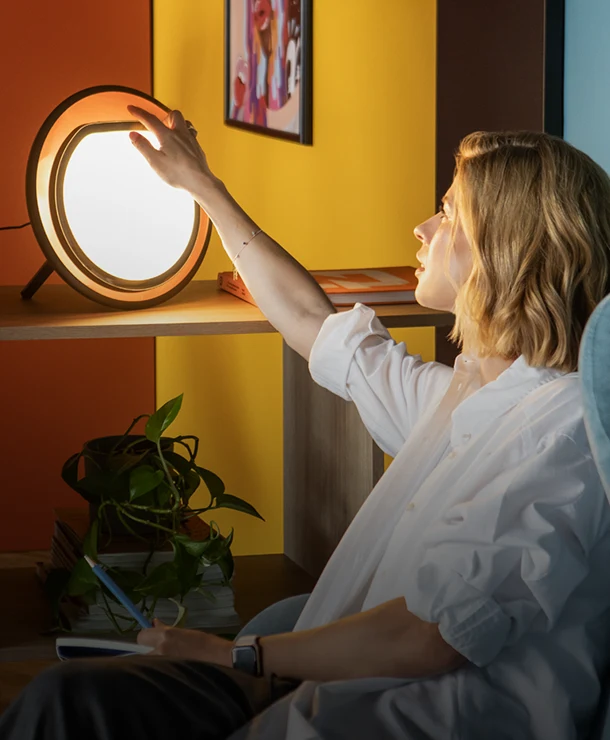
Let's delve into the impact of light on your body's internal clock. Morning light plays a vital role, but we understand that access to natural daylight isn't always feasible. This is where light therapy steps in as a valuable solution. Research demonstrates that dedicating a mere 30 minutes daily in front of a 10,000 lux light box (at about arm's length) can effectively enhance your mood, energy levels, focus, and even help regulate your sleep-wake cycle.
Wake-up lights vs SAD lamps: what’s the difference?
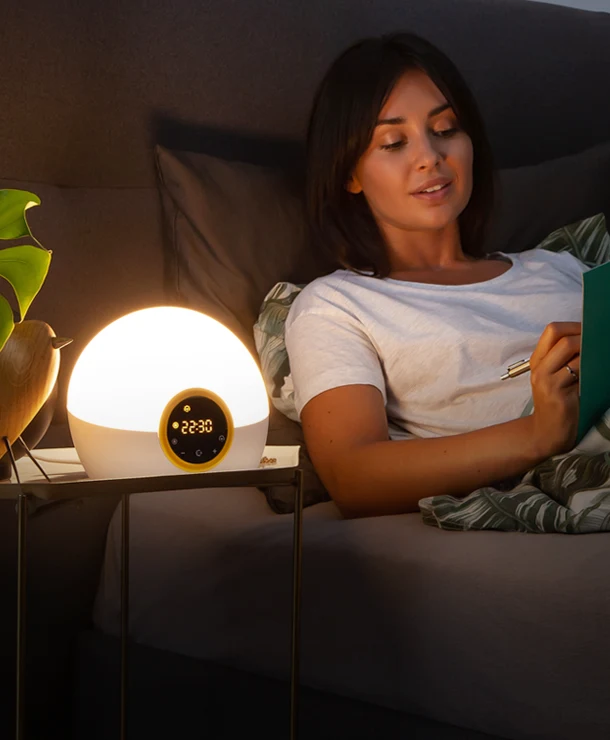
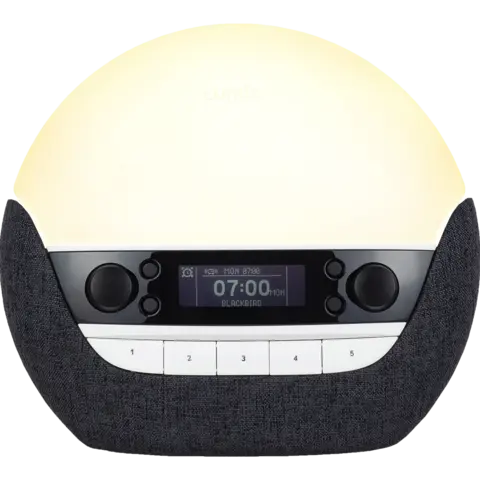
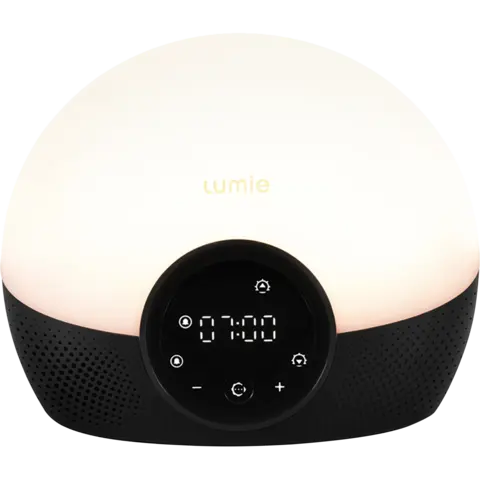
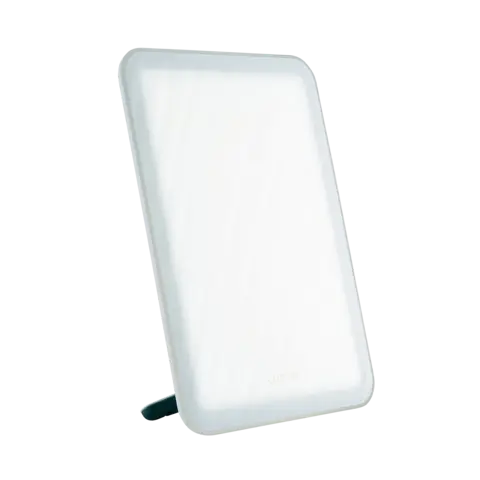
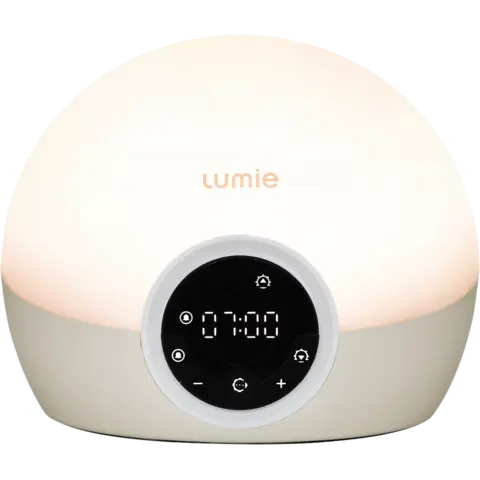
Here's the scoop: SAD lamps emit bright light at 10,000 lux, resembling the intensity of daylight. They act as a robust cue for your brain, boosting energy, lifting mood, sharpening alertness, and promoting wakefulness. Best used in the morning to align your body with its natural rhythm and beat winter blues. Wake-up lights on the other hand, emit a much less intense light, mimicking the changing nature of first and last light, aiming to bring you out of sleep gradually and much more effectively than a regular alarm, or help you nod off naturally with the sunset simulation.
Can wake-up lights effectively alleviate SAD symptoms?
The short answer is - yes! Wake-up lights have a valuable role to play in the treatment of seasonal affective disorder (SAD). Research shows that preference for one type of treatment or the other is roughly equal, although those with moderate depression tend to prefer bright light therapy. Lumie Bodyclock lights help to sync your body's internal clock for improved sleep and energy. Waking up gently with light significantly reduces that groggy feeling you get from a sudden alarm. It's a 10 out of 10 upgrade from the jarring buzz of your phone alarm!



 Sleep & waking






.jpg)
.jpg)
.jpg)